Monthly Archives: November 2026
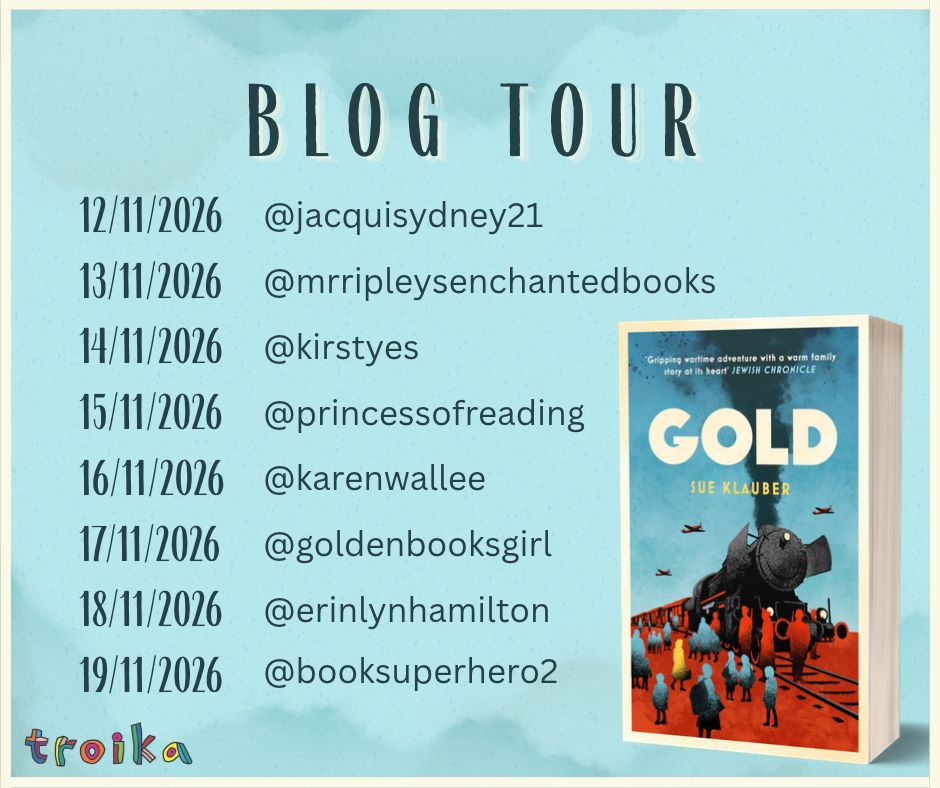
Gold by Sue Klauber – Blog Tour Interview
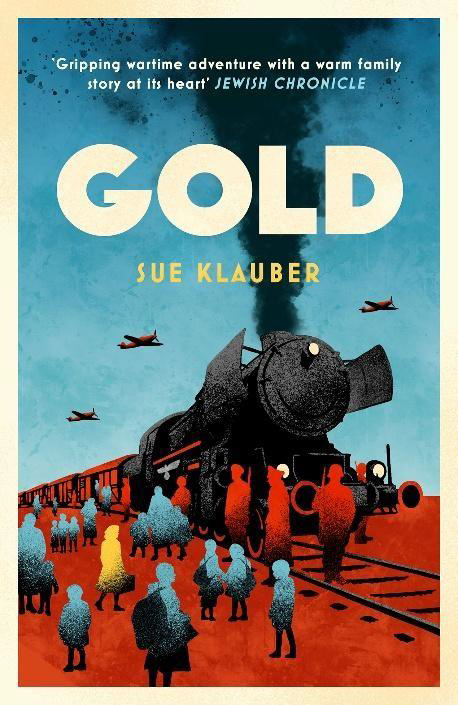
About the Book
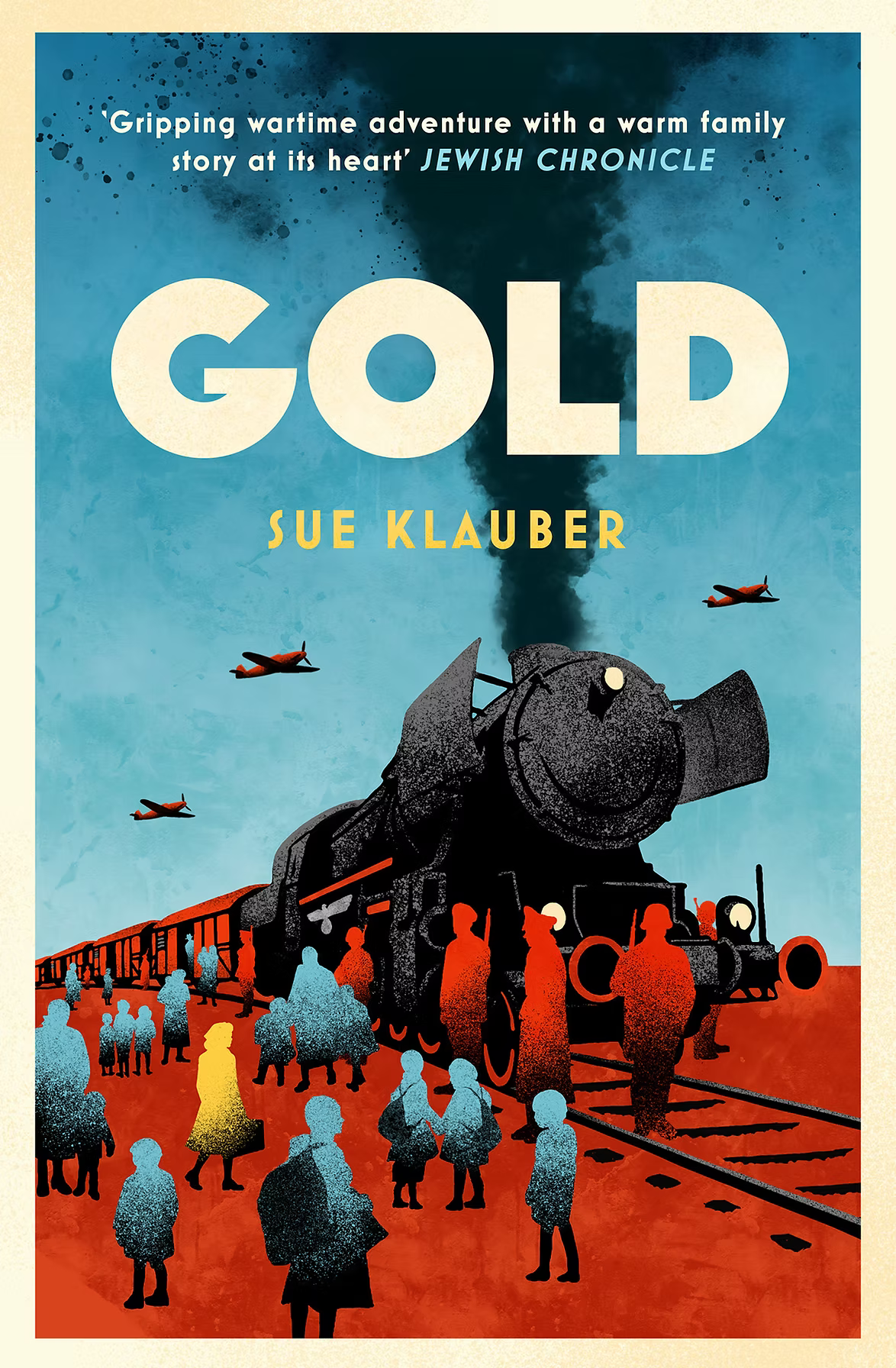
Inspired by her own family’s extraordinary experiences in WW2, Sue Klauber’s thrilling trilogy concludes with Gold.
Back from North Africa, John is part of an intelligence organization based at Trent Park House tasked with handling captured German officers and recording their private conversations. Will their secrets help the Allies as they prepare to invade France?
While in German occupied Hungary, George liaises with resistance groups. Can he track down their sister Eva? And help her escape from the Nazis.
They must succeed, both for Britain, their adopted country and for the survival of their Jewish family itself.
Through the stories of George, John and Eva, Sue Klauber celebrates the courage of ordinary young people in the face of extraordinary challenges.
About the Author
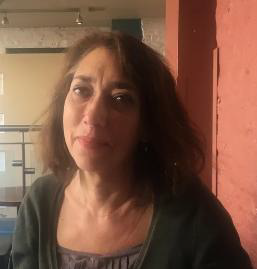
Sue Klauber is an experienced fundraiser and former media educator. She has produced films made by refugee children from Colombia, Kurdistan, Kosovo, Afghanistan, Eritrea, Iran, Armenia and Romania, and worked in several charities and foundations including those working in arts, social care and Holocaust survivors. Gold is her third children’s book for Troika.
Q&A
1. I loved reading that the series was loosely inspired by your family. Because they weren’t able to tell you what they’d been up to, what kind of research did you do?
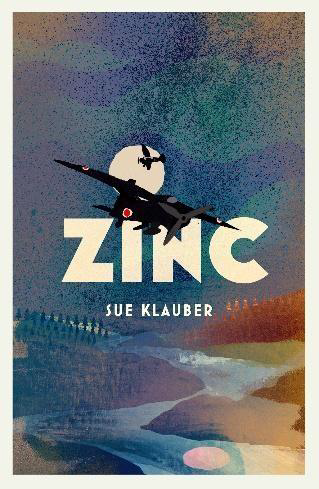
The inspiration for starting the series (Zinc, Cobalt, Gold) was the realisation that my dad, uncle and aunt had all done extraordinary things in WW2. I remember a kind of light bulb moment when I was on the way to work one morning. Of course, they were bound by The Official Secrets Act and told us nothing at all, plus they all died when I was a child or before I was born. So the long road of research began. I found out a lot about my uncle George Klauber at The National Archives, but little about my dad John, and even less about Eva. However, I was gifted with a large wooden box that was originally in my grandma’s house. She had stuffed all the family photos, letters, and official documents in there and to me it was a treasure chest that enabled me to follow the clues.
I couldn’t find out everything that they did but by that time I was so excited at the thought of writing a novel about them that I decided to fill in the gaps with the information I had gathered during my book research into Bletchley Park, Trent Park, Special Operations Executive (SOE) and the Nazi invasion of Eastern Europe – particularly Hungary. I asked my mum if she thought it was okay to fictionalise their lives and she said that they would be very proud and would rather be remembered and immortalised in literature for what they might well have done than forgotten altogether.
Each novel in the trilogy has a parallel plot of the games they played and adventures they had as children. My research had enabled me to form a picture of them as people and the relationships and rivalries between them that influenced who they became as young adults in WW2. They have to resolve their conflicts in the course of their personal journeys through the trilogy.
2. How much of their characters were inspired by the real people and what aspects did you fictionalise?
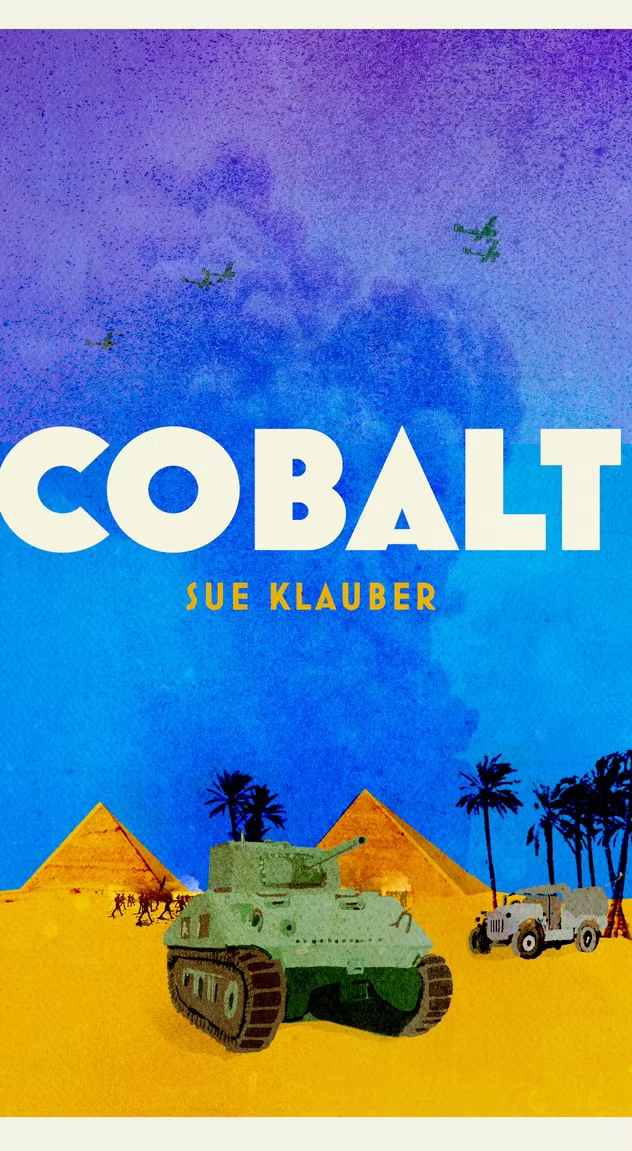
John, my dad, was definitely at Bletchley Park as a code breaker like he is in Zinc and he was definitely sent to Egypt to break codes which happens in Cobalt. Where I depart from the reality was when he becomes a secret listener at Trent Park in Gold but Bletchley Park and Trent Park were closely linked as intelligence gathering centres, so it wasn’t implausible.
Meanwhile George, my uncle, was certainly involved with spying and sabotage operations and I saw his application form for joining Special Operations Executive (SOE) in the National Archives in which he lists all the sports he played, the languages he spoke and I was able to form a picture of the sort of person he was – adventurous and brave. There were also photos of him in football teams in grandma’s wooden box and one of him being awarded a medal for parachuting in World War Two from the Polish leader in exile in Britain. I could not find out what operations/missions he actually went on so I fictionalised those based on all the book research I did about what agents did in Special Operations Executive. I know that George ended up directing all the operations to Eastern Europe and have found an account of every one of them, in his own words, from the National Archives.
I have many of Eva’s letters that she sent home from Hungary to the family in London and they show a lot about what she was going through, the uncertainty and danger. I have visited the house that she lived in which is still there today and rumour has it, based on a conversation George had with a cousin, she really was part of the local Resistance to the Nazis.
Their parents Ilonka, and Izidor are completely true to life. Izidor sold watches and I found a photo of the front of his shop with the name KLAUBER written in big letters. They lived exactly where they live in the book and I remember going there as a small child before Ilonka died. (I never knew Izidor).
3. Can you share why you made the decision not to use Eva’s POV in this book, and how it changed how her story was told?
Eva’s POV is explored in detail in the second novel Cobalt in the form of her diary entries in 1942 when she is living in Hungary in great danger as a Jewish woman.
In Gold she does not have section from her point of view, unlike John and George, because after Cobalt I wanted the mystery of what has happened to her to be as urgent for the reader as it is for her brothers. She is however at the heart of the novel as the brothers are determined to find her. That’s all I can say because of spoilers!
In Gold, and the same with Zinc and Cobalt, she plays a key part in the parallel plot when she is a teenager and her bravery and resourcefulness are on display. In Gold the trio encounter the British Union of Fascists in Britain in the 1930s long before WW2 breaks out.
As I was keen to feature a strong female character in the book, John’s girlfriend called Margaret plays an important role.
4. How important is it for you to share stories of Jewish resistance during this period of history?
It feels very important to challenge the stereotype of Jewish people going passively into concentration camps. Throughout the trilogy I explored the different forms that resistance took, such as the Warsaw Ghetto Uprising in 1943, and George himself is an action hero who I hope is a model of actively fighting back.
5. As a writer, how do you think your process would change if you were writing a story set in the present day?
Historical fiction presents the challenge of being a historian, digging around for what really happened, as well as a story teller, in which you have to create characters and weave a narrative path for them through the real events. Writing a novel set in the present day would really change the way I write and what I want to write as the whole job of historical research would be take off my shoulders. Much as I absolutely love history, I am looking forward to having a go at writing something set in the present next.
6. What do you hope modern children and teens learn from these stories to take into their own lives?
The central message running through the books is about combatting prejudice and the discrimination it leads to which can result in genocide. An important part of the siblings’ character development is the thoughts and conversations that George and John have, as they try to understand what makes people prejudiced, particularly in Cobalt. These issues are as important today as ever, because anti-semitism is rearing its head again, and racisms of all kinds never seem to disappear. I want children and teens to have greater understanding of the dangers of prejudice, not fall into ‘groupthink’ and peer pressure if those around them are falling into the traps of ‘othering’ people who are different to themselves, and I hope my readers will have the courage to question and challenge it. The parallel plot in Gold in which they come across the British Union of Fascists and Oswald Mosley gives the message that the intolerance that leads to fascism can happen anywhere, even in our own country, and we must always be alert and on guard against it.
A huge thank you to Sue for these responses. Do pick up copies of Sue’s books to learn even more, visit her website here and check out the rest of the tour stops below. Although Gold is the third in a trilogy I have been reassured it can also be read alone. Thanks also to Karen at The Author Glow Up for reaching out.